A journey into the birth of a myth
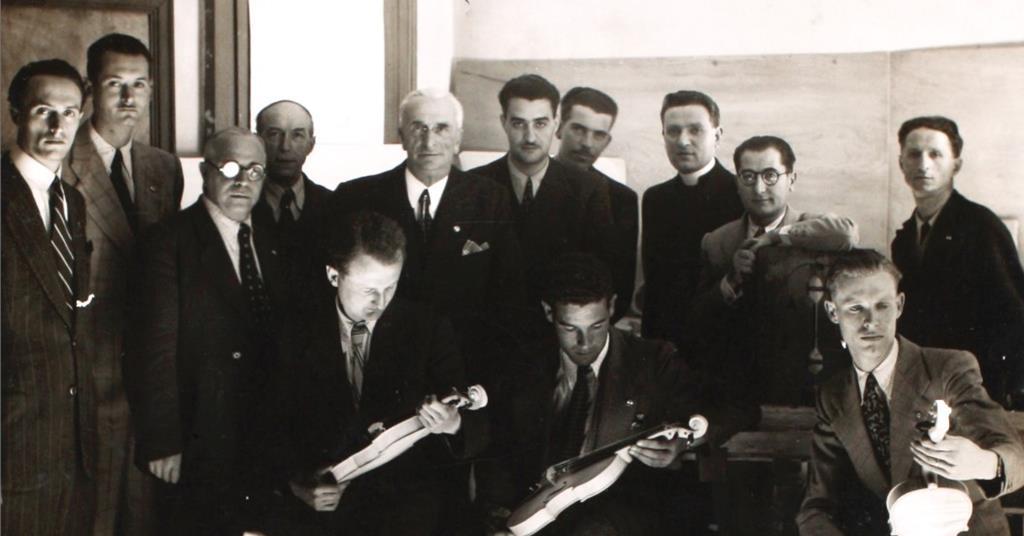
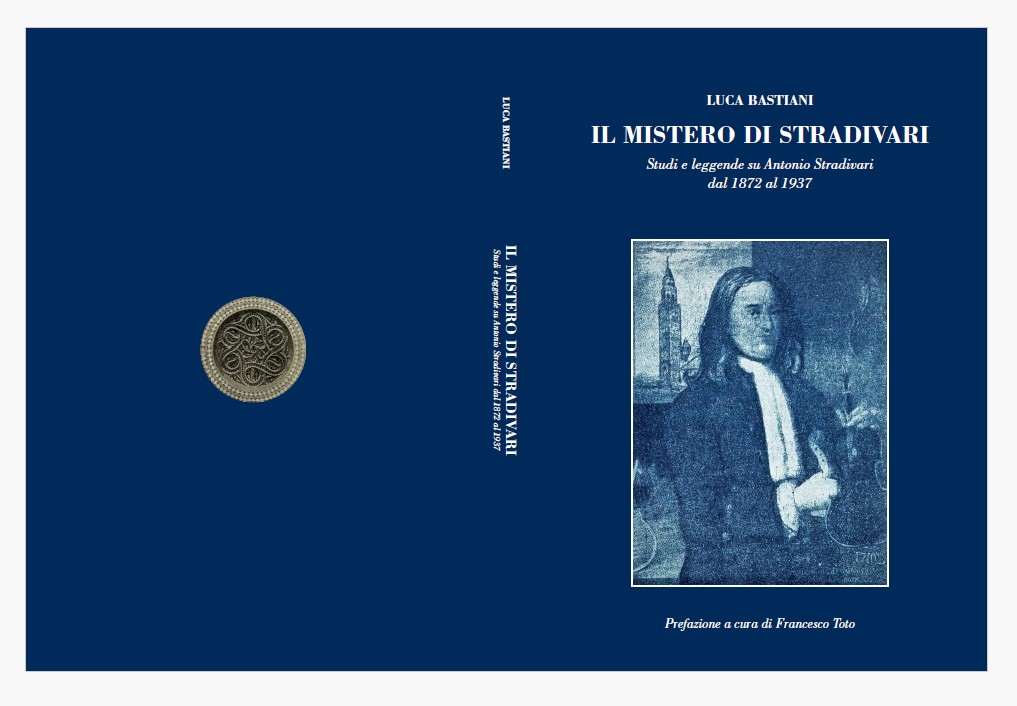
‘The Mystery of Stradivari’ is a unique work that offers a fascinating journey into the historical and cultural construction of the myth of Antonio Stradivari. Through a selection of photographic extracts from vintage documents — articles, essays, publications, catalogs, and rare materials — the volume shows how the figure of the famous Cremonese luthier became, between 1872 and 1937, an icon of music and Italian cultural identity. The project originates from the private collection of Luca Bastiani, luthier and scholar of the history of violin making, and was later enriched thanks to collaboration with Francesco Toto, also a luthier. This partnership gave rise to the Bastiani Toto Collection, a rare and coherent documentary fund representing a unique testimony, the result of years of research, passion, and philological care.
Contents of the work
The volume is organized into three main sections:
Introduction and Preface — these contextualize the editorial project and illustrate the selection method, documentary value, and cultural significance of the collected materials.
Main body — 40 selected works (1872–1937). A chronological sequence of texts reproduced photographically (as extracts), documenting the progressive mythologization of Stradivari. Among the authors are historians, writers, critics, scientists, and journalists, including: P. Lombardini, J. Okraszewska, A. Panzini, G. Accorretti, G. Cenzato, R. Bacchetta, C. Bonetti, W. Scevcenko, G. Somenzi, and many others. It includes documents from the official celebrations of the Stradivari Bicentennial (1937) and rare testimonies such as The Double of Antonio Stradivari and Violins Worth Eighty Million. The topics range from historical investigation to literature, acoustic science, and cultural propaganda, outlining a rich and articulated panorama of “Stradivariomania.”
Documentary appendices and Name Index –The volume is completed by rare materials such as the covers of The Catalogue of the Ancient Cremonese Violin Making Exhibition (1937) and The Catalogue of the First National Fair of Antique Art Articles; publications commemorating 1937; plus a detailed Name Index to facilitate consultation and research.
The volume includes important studies on Stradivari’s date of birth, along with key biographical sources, which are essential for a clearer historical understanding of his figure. Particular importance is given to the complete chronicles of the 1937 celebrations, drawn directly from the journal Cremona: from the official announcement through to the conclusion of the events, providing a continuous and first-hand account. Among the rarest materials is also a boxed set of postcards from 1937, produced by the Committee for the Stradivari Celebrations, in which images of works of art are paired with those related to Antonio Stradivari (portrait, house, San Domenico, etc.). This is particularly significant as one of the earliest attempts to connect art and violin making.
Key themes and cultural value
Through reading the volume, some major themes emerge: the progressive construction of the Stradivari myth from the late 19th century to the early 20th century;the role of the Italian press, criticism, and popular culture in spreading his legend; the deep relationship between violin making, national identity, and art history; the importance of the official celebrations in 1937, which consecrated Stradivari as a symbol of Italian culture worldwide; the transformation of violin making from a craft to an artistic and cultural symbol.
Who is this book for?
Luthiers and musicians, who will find valuable historical sources and references
Scholars and researchers interested in cultural, musical, and artisanal Italian history
Enthusiasts of Stradivari, classical violin making, and Cremona’s history
Libraries, archives, foundations, and cultural institutions
Anyone who wants to understand how a myth is born and spread through historical sources